 ≡
≡
quiz
Brazilian GastronomyProve your knowledge in the Arena
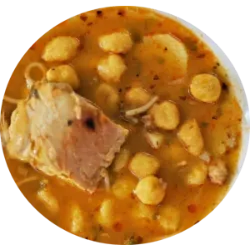
The vori-vori is one of Paraguay’s most traditional dishes and strongly represents the blend between indigenous Guarani cuisine and Spanish influences. It recently gained attention online after appearing in informal food rankings, where it was even mentioned above popular dishes such as Brazilian picanha — although this does not come from any official ranking.
What is vori-vori
Vori-vori is a hearty soup made with chicken or beef broth and small dumplings prepared with corn flour, cheese, and in some versions, eggs. These dumplings are cooked directly in the broth, creating a soft texture and rich flavor. In some homemade recipes, vegetables are also added to enrich the dish.
Origin and cultural importance
Vori-vori originates from Guarani culture and is considered comfort food in Paraguay. It is present in family meals, traditional celebrations, and also in border regions with Brazil, especially in Mato Grosso do Sul, where there is strong cultural exchange. For this reason, it can also be found in Brazilian families with Paraguayan heritage or connections.
Tradition and family identity
More than just a typical dish, vori-vori is often associated with recipes passed down through generations. In many families, it represents emotional memory, being prepared during family gatherings and special occasions.
Comparison with picanha
The comparison with picanha emerged from viral internet content and informal food lists without clear methodology.
Vori-vori: a light, traditional soup with indigenous roots
Picanha: a Brazilian barbecue beef cut and cultural icon
These dishes belong to different worlds: one is a traditional homemade soup, the other is a barbecue symbol.
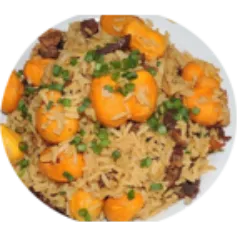
The origin of rice with pequi dates back to the 17th century, influenced by indigenous, African and Portuguese peoples, in addition to the presence of bandeirantes in the central-west region. The opening of land favored the development of this cuisine, based on grains, rice, meat and poultry. Pequi, native to the Brazilian cerrado, is a fruit with a strong flavor, known by several names such as piqui, pequiá, pequiá-pedra, suari, among others. In the indigenous language, its meaning is “prickly shell.” Typical ingredients for rice with pequi include onion, raw garlic, salt, water, white rice, soybean oil, raw pequi and green scent to taste.















Discover some interesting facts about Brazilian Gastronomy
Tropeiro beans, typical of the Southeast region of Brazil
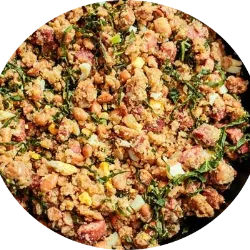
Tropeiro beans, typical of the Southeast region of Brazil, do not have a specific state of origin, extending to places such as São Paulo, Minas Gerais and Goiás, in the Central-West region. The recipe includes beans, generally the purple type, with a reddish color, providing a thick broth when cooked. Other common ingredients are cassava flour, bacon (pork fat), pork, which can be complemented with Calabrian sausage and fried or scrambled eggs. Originated in the 18th century during the movement called "Tropeirismo", linked to the mining cycle in Minas Gerais, the tropeiro bean was an inheritance from the tropeiros who traveled long distances transporting ore. With the absence of women in the troops, they prepared this food to last during the journeys, using ingredients such as almost dried beans, sun-dried meat and bacon, originating from Minas Gerais cuisine, resulting in the name tropeiro beans.
International Tea Day, celebrated on May 21

International Tea Day, celebrated on May 21, is not just about enjoying the drink, but also about drawing attention to the challenges faced by tea plantation workers, small producers and consumers. It was first officially celebrated in 2005 in Delhi, India, and has gained global prominence since then. In addition to promoting discussions and actions for the development of the tea industry, the date seeks to guarantee workers' rights and achieve fair prices for products. Recognizing the economic and cultural importance of tea, the United Nations General Assembly proclaimed May 21 as International Tea Day in 2019. The event highlights the socio-economic relevance of the sector and promotes better policy, innovation, investment and inclusion.
celebrate in May 21
The Portuguese colonization of Brazil from 1530 onwards
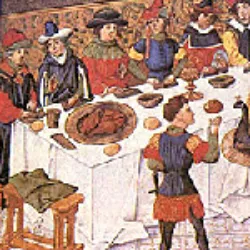
The Portuguese colonization of Brazil from 1530 onwards brought a diversity of foods and spices, a result of relations between Portugal and India. With the court moving to São Vicente (today São Paulo), foods such as rice, coriander, mint, oranges and spices were introduced. Livestock activity began with the introduction of various animals. Rice cultivation resulted in dishes based on this ingredient, and the use of spices such as salt, rosemary, cinnamon and cloves became common. Notable influences on Portuguese cuisine include Brazilian feijoada and desserts such as marmalade, orangeade, rice pudding and sponge cake.
In the Southern Region of Brazil, barbecue is a tradition in Rio Grande do Sul
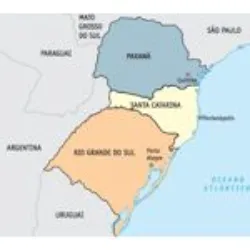
In the Southern Region of Brazil, barbecue is a tradition in Rio Grande do Sul, along with dishes such as arroz-de-carreteiro and pork salami. Chimarrão, typical of the Gauchos, is made with yerba mate and consumed in a gourd with a bomb. Italian colonization brought wine production, especially in Serra Gaúcha. In Paraná, barreado stands out, a mixture of meats cooked in a clay pot with side dishes. In Santa Catarina, fish stews and apple pies, brought by German immigration, are culinary features.
In the Southeast Region of Brazil, traditional dishes such as bean tutu
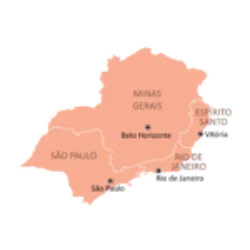
In the Southeast Region of Brazil, traditional dishes such as bean tutu, feijoada and fish slices with pirão are enjoyed in several states. Highlights include Moqueca Espírito Santo in Espírito Santo, and in Minas Gerais, varied dishes such as pork, chicken in brown sauce, and the famous cheese bread. Rio de Janeiro contributes the minced meat with okra and shrimp with chayote. São Paulo, influenced by Italian immigration, introduced pasta and pizza, in addition to the popular pastries whose origin is uncertain. Typical desserts are cornmeal cake, guava paste with cheese, sweets in syrup and dulce de leche. Furthermore, Japanese immigration left its mark on the tables of São Paulo, especially in the capital, where there are several Japanese restaurants.
HOME